
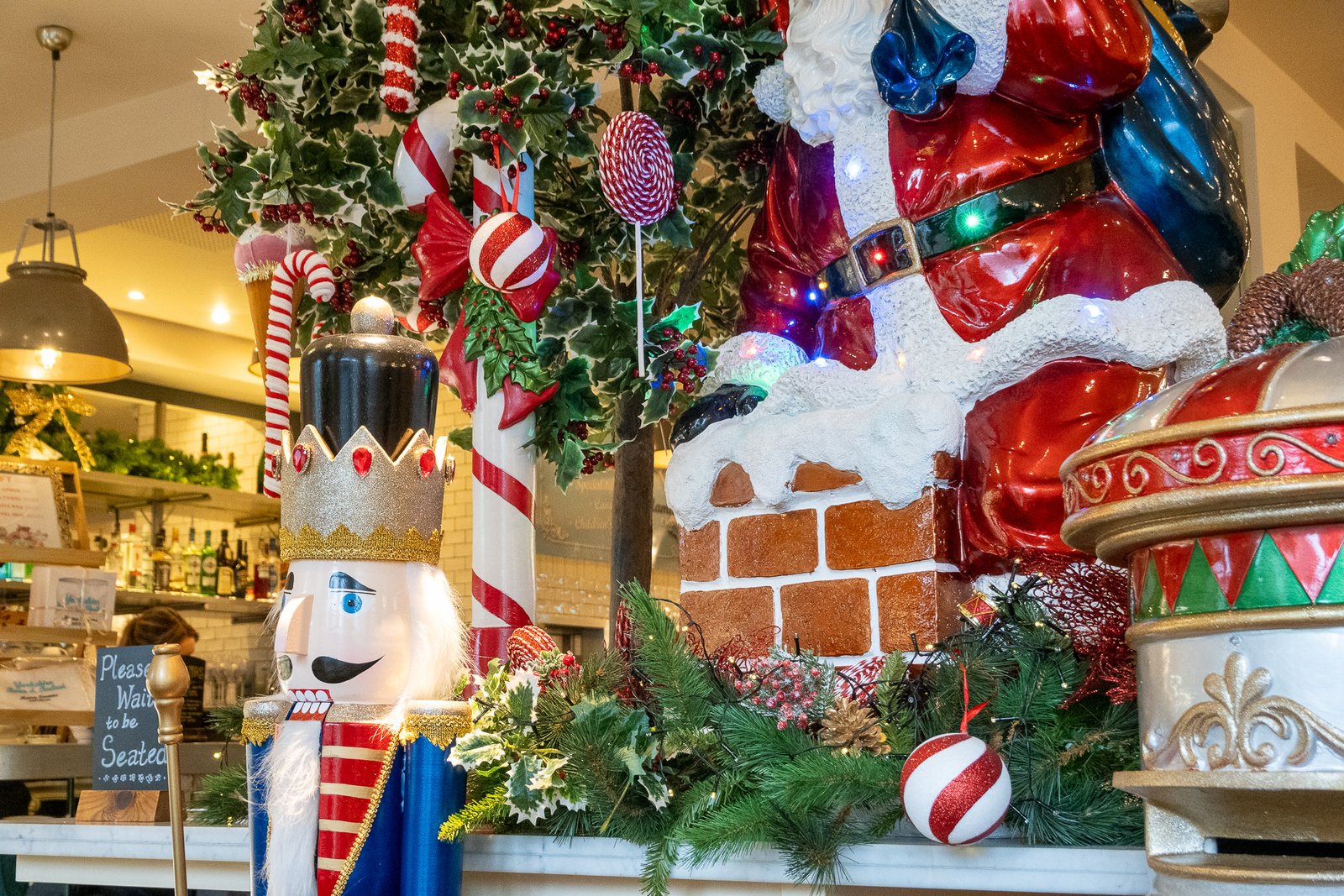


Christmas brings excitement into every home. Kids wait for gifts, treats, and fun moments with family. The season feels full of magic, and children enjoy every part of it.
But Christmas also offers something deeper. It helps children learn empathy, kindness, and the importance of thinking about others. Kids don’t learn generosity from lectures. They learn it from what they see around them and how adults behave.
Parents want their children to grow with kindness and confidence. The holiday season becomes a perfect chance to teach these values in simple ways. It does not require big gestures or expensive plans. Sometimes, the smallest actions leave the strongest mark.
This guide explores easy and meaningful ways to model generosity and giving at Christmas—ways that fit into daily life and bring real emotional impact.
1. Show Generosity Through Everyday Moments
Children notice daily habits more than special events. They learn from the way parents speak, react, and treat others. That is why generosity starts at home. Before talking about charity, show kindness in small and simple ways. Kids learn more when they experience kindness directly.
Small gestures matter:
- Helping someone without being asked
- Sharing food with a family member
- Being patient when a child needs comfort
- Offering a hand when someone is tired
These moments show that generosity is normal behavior. When children see parents helping others, they understand that giving is not about money or big gifts. It is about showing care. It is about stepping in when someone needs support. They start to feel the warmth behind everyday kindness. Christmas strengthens these habits because it brings families closer together.
You can repeat simple phrases like:
- “We help each other in this house.”
- “Kindness is a gift anyone can offer.”
These lines are easy for children to remember. They stay in the child’s heart even after the holidays end.
2. Replace One Holiday Purchase With a Giving Experience
Gift-giving is a big part of Christmas. Kids love toys, surprises, and fun moments. But there is an easy way to add more meaning to your holiday gifting—replace one purchase with a giving experience in your child’s name. It does not take the fun away. It only adds a deeper purpose to the celebration.
Instead of buying every gift on the list, include a donation that supports real needs. Many families choose online Christmas donations through trusted organizations like the American Red Cross. These donations support important causes, such as:
- Food for families in need
- Shelter for people during emergencies
- Disaster relief and recovery
- Medical care and support for children and families
When kids see that a small contribution helps someone else, they understand generosity in a personal way. You can explain it to them in simple words:
“When we donate, someone gets a meal or a safe place to stay.”
Kids connect with real examples, so invite them to choose a cause that speaks to them:
- Sending blankets to shelters
- Supporting medical care for children
- Helping families after storms
This becomes a gift they remember. It shows them that Christmas is not only about receiving. It is also about offering comfort, safety, and hope to someone else. This small habit becomes part of the holiday—just like decorating a tree, baking cookies, or spending time together.
3. Let Kids Be Part of the Decision Making
Generosity grows stronger when children participate. Kids feel proud when they take action. Instead of parents making all the decisions, involve the child in choosing how to give. Ask them what causes they care about. They may think about animals, older people, or families who need food. Their answers show a natural form of empathy.
Let them take small steps:
- Pick items to donate
- Help wrap gifts
- Choose a charity
- Decorate cards for others
When kids take part, they feel responsible and connected. They understand that giving is something they can do at their age. It also teaches ownership. Children learn that generosity is not something parents do for them. It is something they are part of.
These moments build emotional strength. Kids learn that their actions matter. They see that even small help can make someone else’s day better.
4. Encourage Giving in Non-Material Ways
Generosity is not only about gifts or money. Some of the most meaningful acts cost nothing at all. This lesson is essential because it teaches children that kindness is a daily habit, not a once-a-year event. Christmas becomes a reminder, not the only reason.
Non-material generosity includes:
- Time
- Patience
- Words
- Attention
- Care
For example, teach children to help someone carry a bag. Encourage them to listen when a friend feels sad. Ask them to share something small. These actions show they can help in everyday situations.
Kids begin to understand a powerful message:
“I don’t need money to be generous.”
This lesson has long-term value. It stays beyond Christmas and becomes part of their personality. Kindness feels natural and easy.
5. Celebrate Acts of Kindness
Children respond to positive attention. When parents acknowledge a kind gesture, the action becomes more meaningful. Celebrate the behavior you want to see more of. You don’t need rewards or big parties. A small compliment works.
Simple recognition like:
- “That was thoughtful.”
- “Thank you for helping.”
- “You made someone happy.”
When kids hear this, they associate generosity with happiness. They understand that giving brings joy. It becomes a memory tied to love and appreciation. Recognition encourages them to continue these actions. They begin to look for more ways to help. This is how kindness becomes a habit.
Conclusion
Generosity is not taught through lessons, lectures, or rules. It grows from simple actions, small traditions, and everyday choices. Christmas becomes the perfect time to show children the beauty of giving and caring. Replace one gift with a donation, involve kids in the process, and show kindness at home. These steps help children understand the real meaning of the season. When children see generosity in action, they carry the lesson for life. And that becomes the best gift of all.
Pre-order my debut children’s book
Greek Myths, Folktales & Legends for 9-12 year olds
Published by Scholastic. Available on Amazon